-------- essential plants food --------
SULPHUR GRANULAR
Click Here
UREA 46% PRILLED & GRANULAR
Click Here
DI-AMMONIUM PHOSPHATE (DAP)
Click Here
SINGLE SUPERPHOSPHATE (SSP)
Click Here
ROCK PHOSPHATE
Click Here
FERTILIZER NPK
Click Here
SULPHUR GRANULAR (both entries as SULPHUR GRANULES)
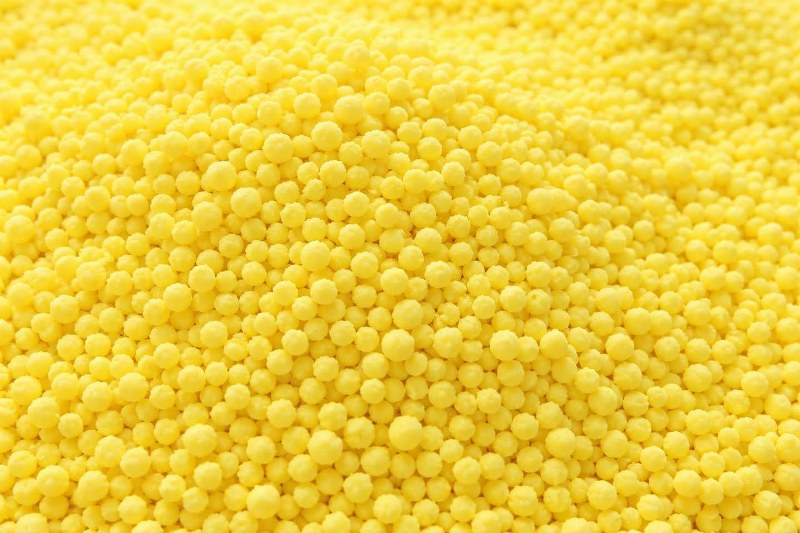
Sulphur Granular is a refined form of elemental sulphur produced primarily as a byproduct of hydrocarbon processing — crude oil refining and natural gas sweetening (desulphurization). It is one of the most widely traded industrial commodities globally.
Bright Yellow Granular — standard commercial grade
Fertilizer Grade — for agricultural use (most common end-use)
Industrial Grade — for chemical manufacturing
UREA 46% PRILLED & GRANULAR
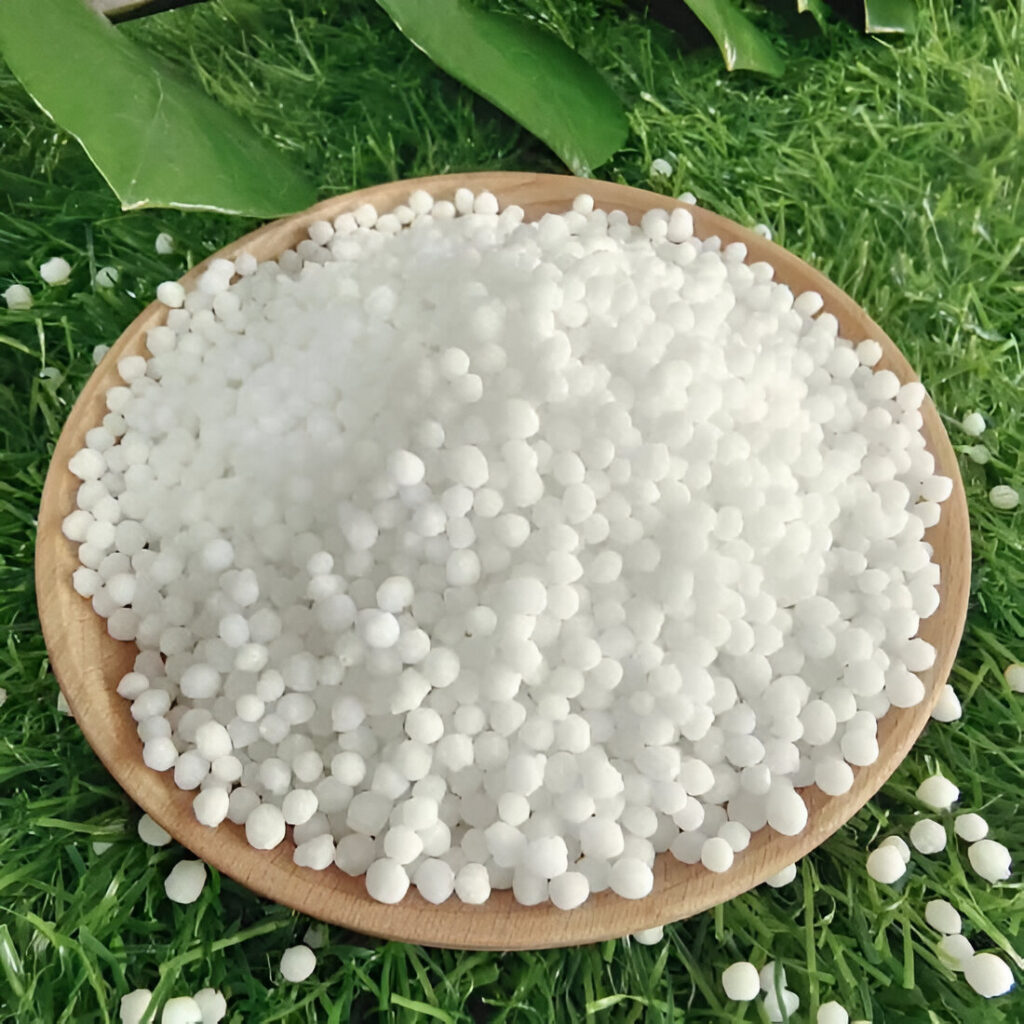
Prilled urea and granular urea both contain 46% nitrogen, but they differ in their physical characteristics and production methods:
Granular Urea: Made by compressing urea into small granules. It dissolves more slowly in water, making it suitable for various soil types and conditions
Prilled Urea: Produced by spraying molten urea into droplets that solidify into small spheres. It tends to dissolve faster than granular urea, which can be beneficial for quick nutrient availability
Both forms can be applied directly to the soil or mixed with other fertilizers, understanding these differences can help optimize their usage based on specific agricultural needs
Small particles of prilled urea are in spherical shape, they have a larger surface area compared to granular urea which causes water to interact with it better and leading to faster dissolution
Di-AMMONIUM PHOSPHATE (DAP)
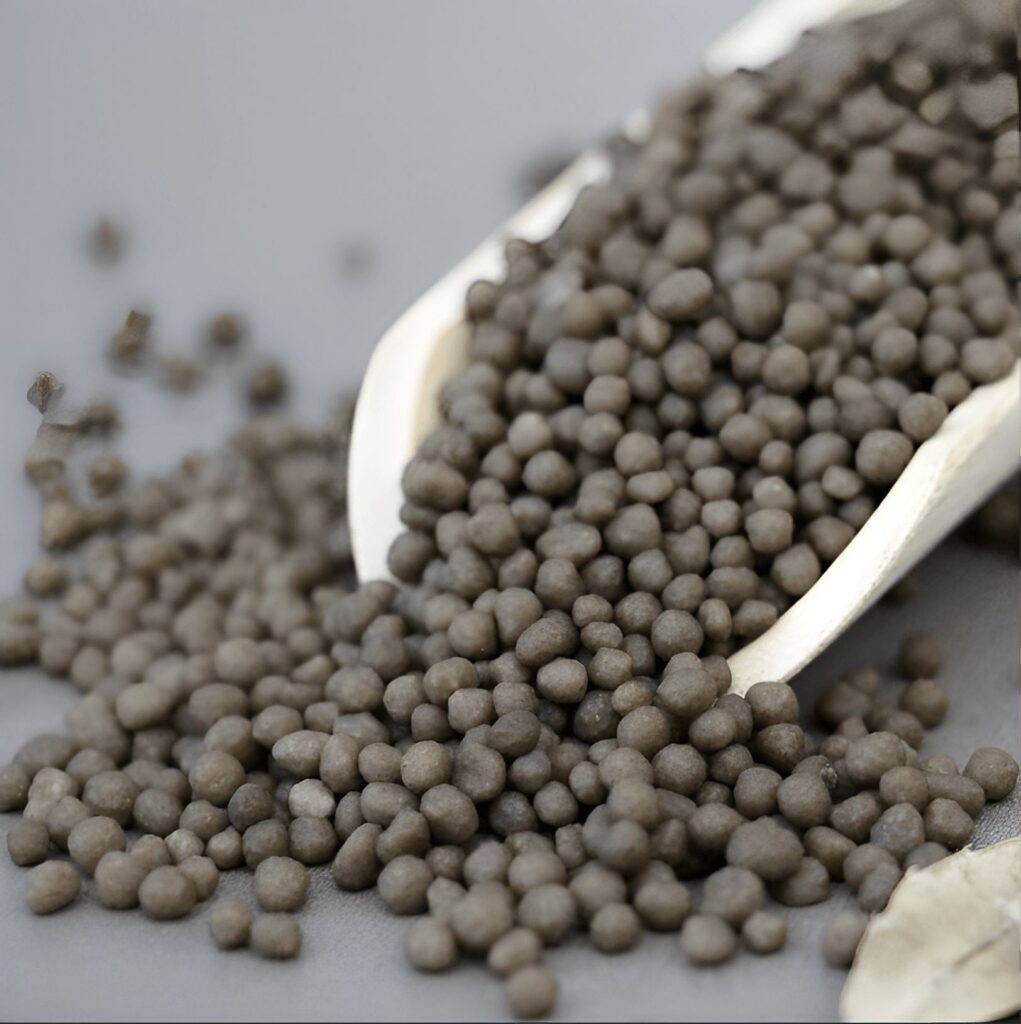
DAP is widely used as a high-analysis fertilizer supplying both nitrogen and phosphorus, essential for plant growth
It is particularly effective as a basal dose, providing full phosphorus and part of the nitrogen requirement at planting. Placement is critical because phosphorus is immobile in soil; DAP should be placed near the root zone but slightly to the side to avoid seedling injury from ammonia release
Its efficiency is highest in neutral soils, while alkaline or acidic soils may require amendments like gypsum or leaching to optimize nutrient uptake
Beyond agriculture, DAP is used as a fire retardant, lowering combustion temperature and increasing char formation, which helps in wildfire management, It also serves as a yeast nutrient in winemaking and mead-making, a flux in soldering metals, a sugar purifier, and in match production
SINGLE SUPERPHOSPHATE (SSP)
Single Superphosphate (SSP) is a time-tested, multi-nutrient fertiliser that improves soil fertility, supports plant growth, and enhances pasture productivity. Its combination of phosphorus, sulfur, and calcium makes it particularly suitable for legume-rich pastures and crops with high sulfur demand, offering a practical and economical solution for sustainable agriculture
SSP can be applied once or twice per season, depending on soil conditions and crop requirements. Its granular form ensures uniform distribution, and it is compatible with a wide range of spreading equipment. Long-term storage beyond six months is not recommended, and care should be taken when blending with products of low critical humidity
ROCK PHOSPHATE
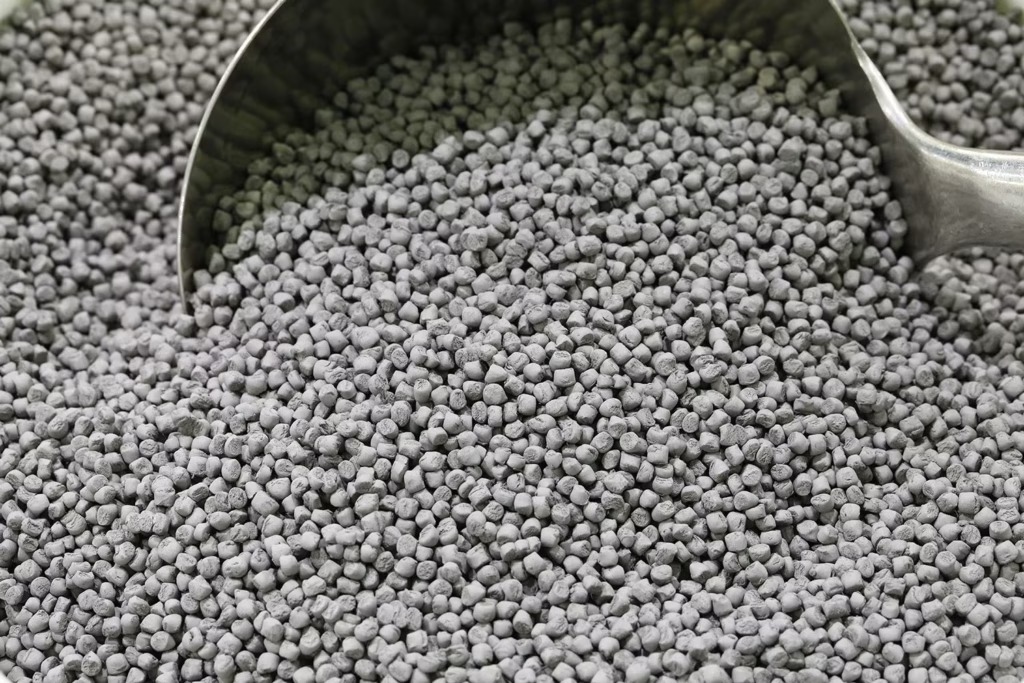
Rock phosphate is a naturally occurring mineral rich in phosphorus, primarily used as a slow-release fertilizer to enhance soil fertility and support plant growth
Rock phosphate is widely used in agriculture as a slow-release phosphorus fertilizer. It helps build up phosphorus reserves in the soil, which is essential for root development, flowering, fruiting, and overall plant growth, unlike highly soluble synthetic fertilizers, rock phosphate releases phosphorus gradually, making it particularly suitable for organic farming and soils with naturally acidic conditions (pH below 5.5), where chemical and biological processes help dissolve the mineral, it can be applied directly to fields as a powder, slurry, or mixed with other fertilizers to enhance effectiveness
Beyond agriculture, rock phosphate is also used in the manufacture of phosphate-based products, including fertilizers, animal feed supplements, and certain industrial chemicals
FERTILIZER NPK
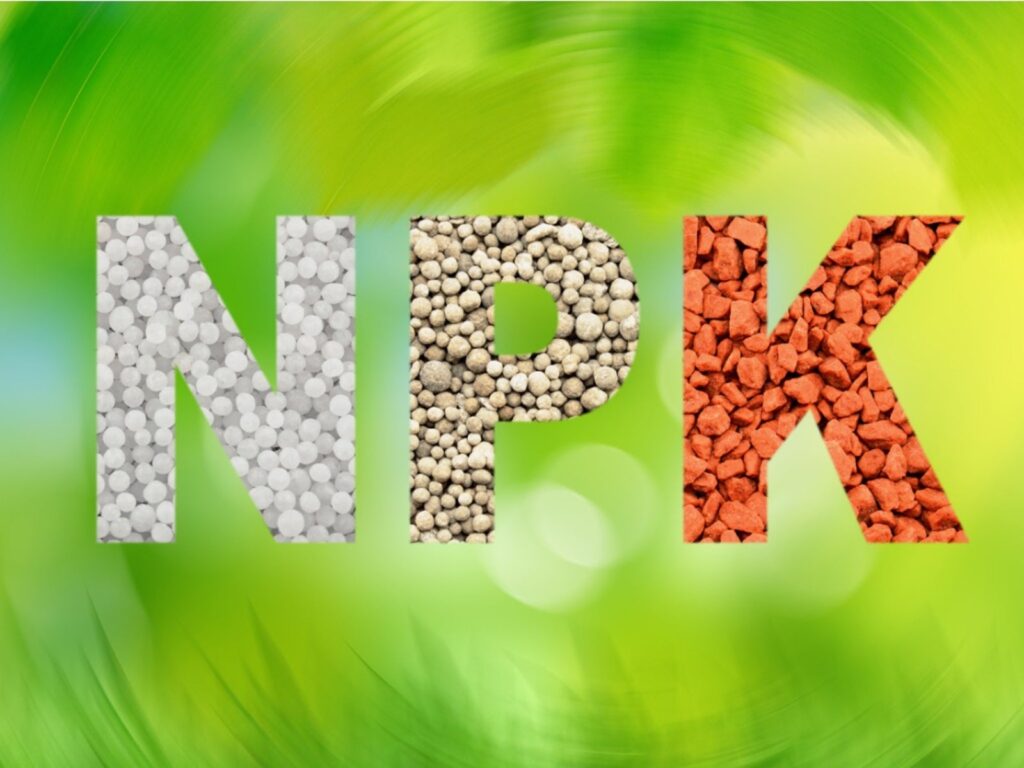
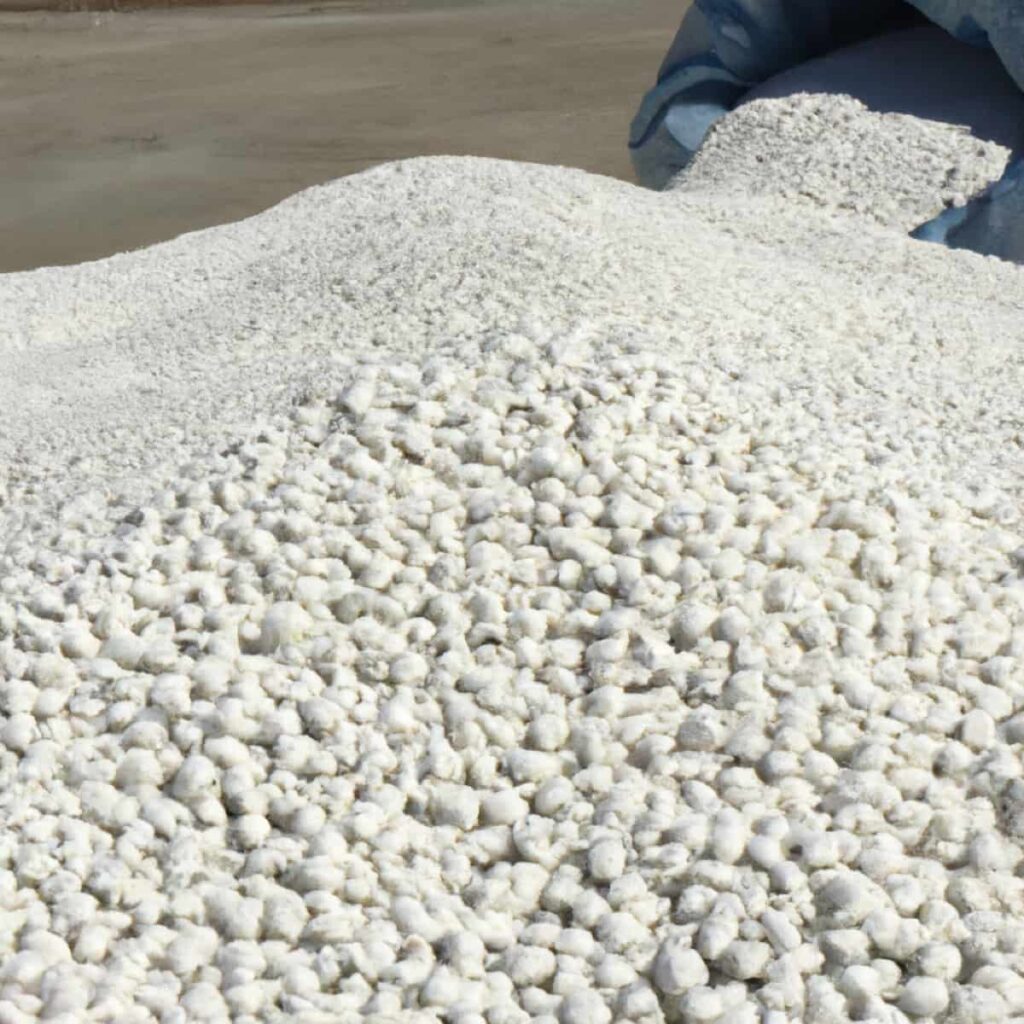
NPK fertilizer contains nitrogen (N), phosphorus (P), and potassium (K), the three primary nutrients essential for plant growth, with the numbers on the label indicating their percentage by weight
Nitrogen (N): Promotes leafy growth, chlorophyll production, and overall plant vigor. High nitrogen fertilizers are ideal for lawns and leafy vegetables. Deficiency can cause yellowing leaves and stunted growth
Phosphorus (P): Supports root development, flowering, and fruiting. It strengthens plants and helps with energy transfer within cells. Deficiency may result in weak roots and poor flowering
Potassium (K): Enhances disease resistance, drought tolerance, and overall plant health. It regulates water balance and strengthens cell walls. Deficiency can lead to weak stems, poor fruit quality, and increased susceptibility to stress