--------- wide range of industrial
Petrochemicals
and Aromatics
Aromatics are key petrochemical compounds, primarily benzene, toluene, and xylene, used as building blocks for a wide range of industrial and consumer products.
The primary method for producing aromatics is catalytic reforming, where naphtha is reacted with a catalyst to generate a mixture of aromatics and hydrogen. This process has been central to the industry since the mid-20th century. BTX compounds are also obtained through other refining processes, but catalytic reforming remains the dominant industrial method.
PETROLEUM COKE
Click Here
ETHYLENE TAR
Click Here
METHANOL
Click Here
M-XYLENE
Click Here
P-XYLENE
Click Here
BENZENE
Click Here
TOLUENE
Click Here
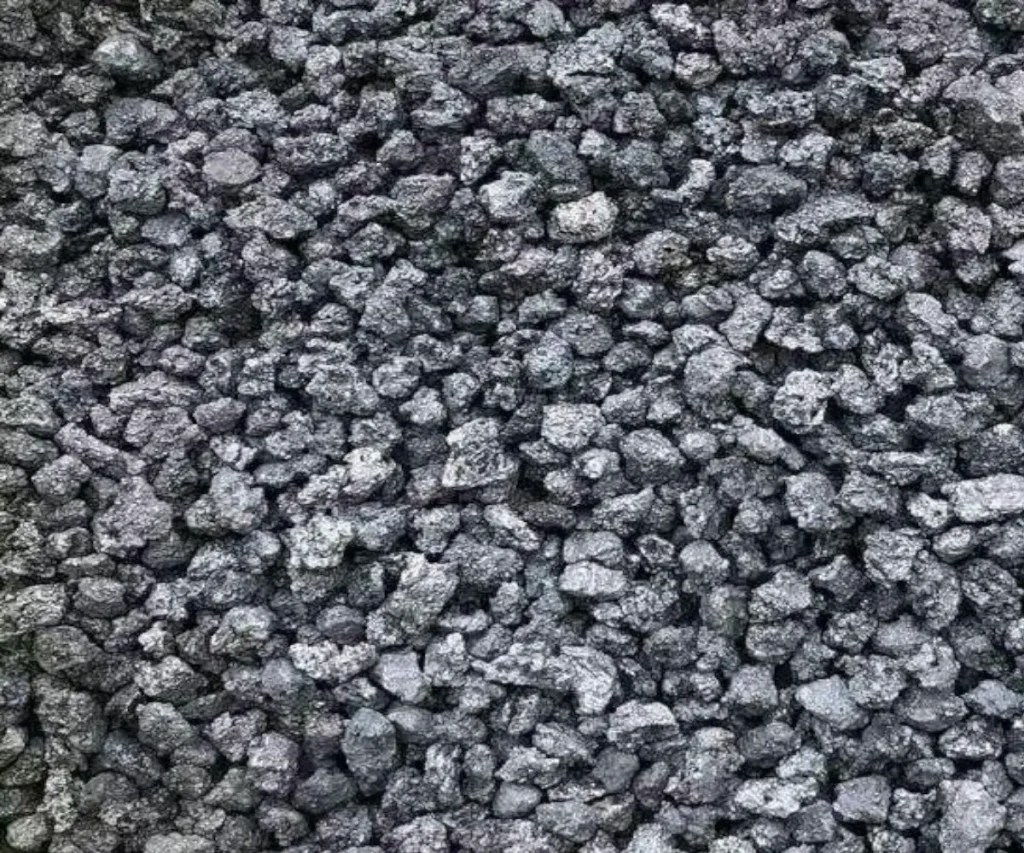
Petroleum coke is a carbon-rich solid byproduct of oil refining, used as fuel and in industrial applications such as steel and aluminum production.
Petroleum coke, commonly called petcoke, is a solid carbonaceous material produced during the refining of crude oil. It forms when the heaviest residues from crude oil processing are heated to high temperatures in a process called coking, which thermally cracks long-chain hydrocarbons into lighter products and leaves behind a dense, carbon-rich solid. Petcoke typically contains 90–99% carbon, with smaller amounts of hydrogen, nitrogen, sulfur, and trace metals. The raw form, known as green coke, contains volatile matter and acts as an electrical insulator, while calcined coke is heated further to remove volatiles, making it suitable for electrical and metallurgical applications.
Petroleum coke is a versatile, carbon-rich byproduct of oil refining, with applications ranging from fuel to high-value industrial materials. Its properties and uses depend on the type and processing method, with needle and calcined coke being essential for metallurgical industries, while green and fuel-grade coke are primarily used for energy.
Ethylene tar (ET) is primarily generated as a by-product during the pyrolysis of hydrocarbon feedstocks in ethylene manufacturing, including naphtha, gasoline, and heavier oils. It is a black viscous liquid containing polycyclic aromatic hydrocarbons (PAHs) and technogenic asphaltenes, which are structurally similar to petroleum asphaltenes but have lower molecular weight and fewer heteroatoms. ET is highly prone to carbonization, and its asphaltene content can reach up to 22 wt.%.
Ethylene tar thus represents a versatile industrial by-product with significant potential for chemical, material, and energy applications, provided that proper handling and processing techniques are employed.
Chemical feedstock: Light fractions can be refined to produce bi- and polycyclic hydrocarbons and other high-value chemicals.
Carbon materials: Heavy fractions serve as precursors for mesophase pitches, technical coke, and needle coke, which are used in electrodes and high-performance carbon products.
Industrial additives: It is used in asphalt, adhesives, waterproof materials, coatings, and rubber products.

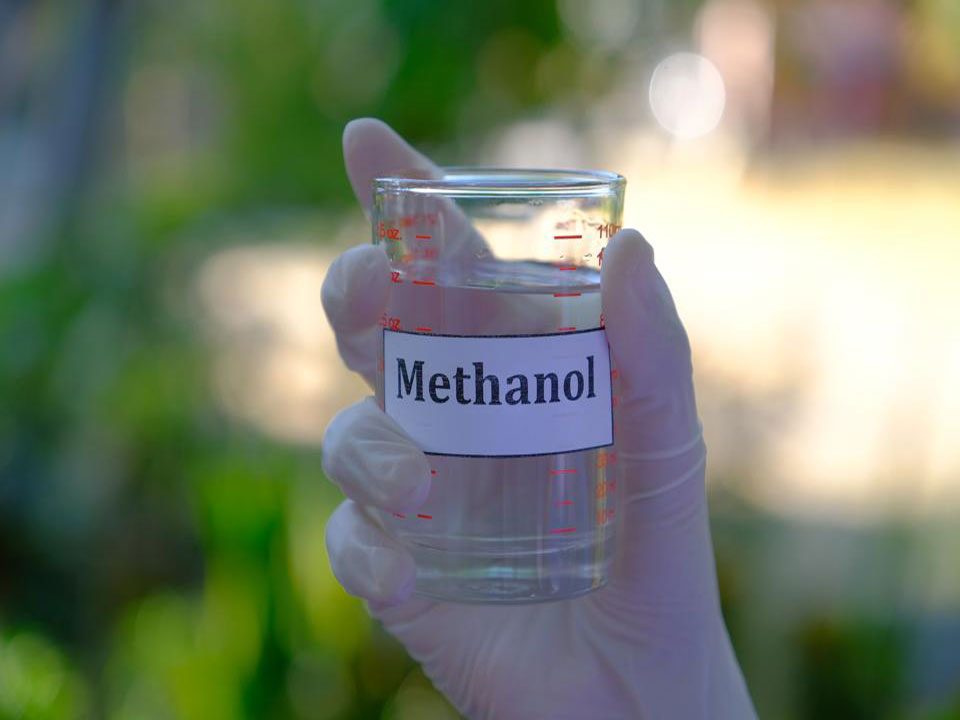
Methanol (CH3OH), also known as wood alcohol, is the simplest alcohol and is primarily produced through the hydrogenation of carbon monoxide. It is a colorless, volatile liquid with a faintly sweet odor and is completely miscible with water. Methanol is used in various applications, including as a renewable energy source, fuel for vehicles, and as a feedstock for chemical production. However, it is also highly toxic, and methanol poisoning can occur if ingested, leading to serious health risks.
Methanol Versatile petrochemical for energy and industry. Clean‑burning fuel with wide applications. PETROBIZINT delivers global supply with reliability.
This highlights methanol’s dual role as both a fuel and feedstock in petrochemicals, while reinforcing PETROBIZ’s international supply capabilities.
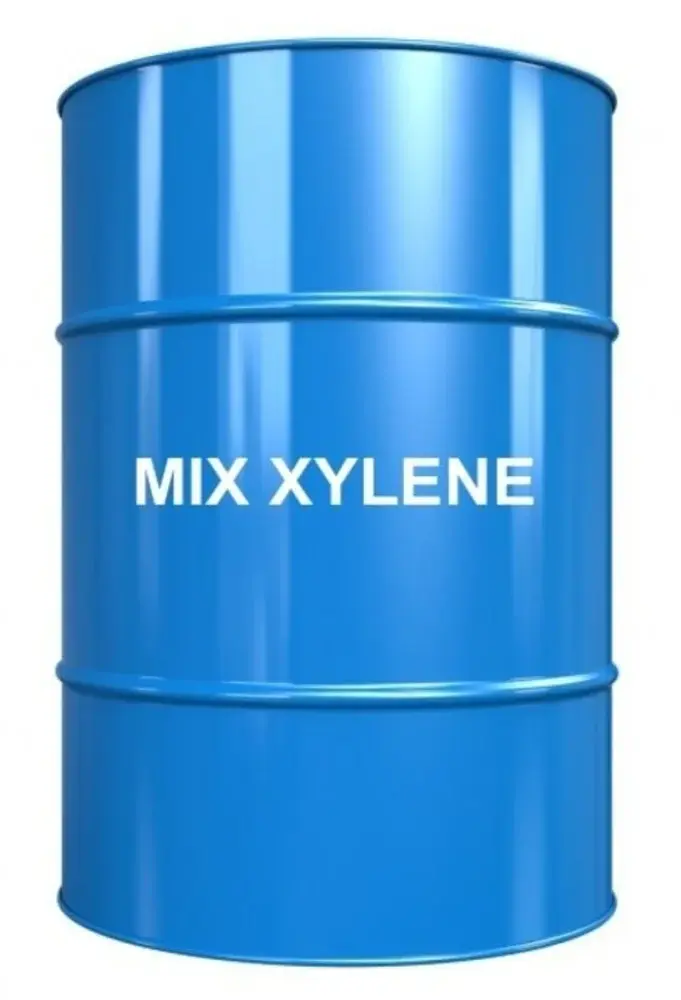
m-Xylene is a colorless, highly flammable aromatic hydrocarbon with the chemical formula C₆H₄(CH₃)₂, where the two methyl groups occupy the 1 and 3 positions on the benzene ring.
Chemical Structure and Properties m-Xylene, also known as meta-xylene, is one of three xylene isomers, alongside ortho- (o-) and para-xylene (p-). It is a clear, colorless liquid with a sweet, aromatic odor and is less dense than water. Its melting point is approximately -48°C, boiling point 139°C, and flash point 27°C. It is insoluble in water but soluble in organic solvents, and its vapors can cause irritation, dizziness, or headaches.
Industrial Uses The primary use of m-xylene is in the production of isophthalic acid, which is a monomer used to modify polyethylene terephthalate (PET) properties. It is also a precursor for 2,4- and 2,6-xylidine, isophthalonitrile, and other specialty chemicals. In organic synthesis, m-xylene can undergo Friedel–Crafts acylation and chloromethylation reactions.
Safety and Toxicity m-Xylene is highly flammable and classified as a Class IC flammable liquid. Exposure to vapors can irritate the eyes, skin, and respiratory system. Inhalation may cause drowsiness, dizziness, or central nervous system effects, while ingestion can be fatal if it enters the lungs. It is not acutely toxic in small doses, with an oral LD₅₀ in rats of 4300 mg/kg, but prolonged or repeated exposure can damage organs. Proper handling requires adequate ventilation, protective equipment, and avoidance of ignition sources.
m-Xylene is a versatile aromatic hydrocarbon widely used in chemical manufacturing, particularly for producing isophthalic acid and related derivatives. While it is generally safe under controlled conditions, strict adherence to safety protocols is essential due to its flammability, vapor toxicity, and potential organ effects.
p-Xylene (para-xylene) is an aromatic hydrocarbon used primarily as a feedstock for producing PET plastics and polyester fabrics.
Production Industrially, p-xylene is produced from catalytic reforming of petroleum naphtha as part of the BTX aromatics (benzene, toluene, and xylenes). It is separated from other xylene isomers and ethylbenzene through distillation, adsorption, crystallization, or chemical reaction processes. Alternative methods, such as reverse-osmosis, are being explored to improve efficiency and reduce production costs.
Industrial Uses p-Xylene is a key building-block chemical in the manufacture of polyethylene terephthalate (PET) plastics, which are widely used for water and soda bottles due to their strength, light weight, and shatter resistance. It is also used to produce polyester fabrics, films, and other consumer products like packaging materials, photographic films, and electrical insulation. Additionally, p-xylene is a precursor for terephthalic acid (TPA), purified terephthalic acid (PTA), and dimethyl-terephthalate (DMT), which are essential in polyester production.
Benzene (C₆H₆) is a colorless, flammable liquid with a sweet odor, known for its aromatic properties and significant role in the chemical industry.
Industrial Applications: Benzene is primarily used as a precursor in the production of various chemicals, including styrene (for plastics), phenol, and cyclohexane. It is also utilized as a solvent in various industrial processes.
Fuel Component: Benzene is a component of gasoline, where it helps to boost the octane rating.
Toxicity: Benzene is highly toxic and is classified as a carcinogen. Prolonged exposure can lead to serious health issues, including leukemia. Due to its hazardous nature, strict regulations govern its use and emissions in industrial settings.
Safety Precautions: When handling benzene, it is crucial to follow safety protocols to minimize exposure and prevent health risks.
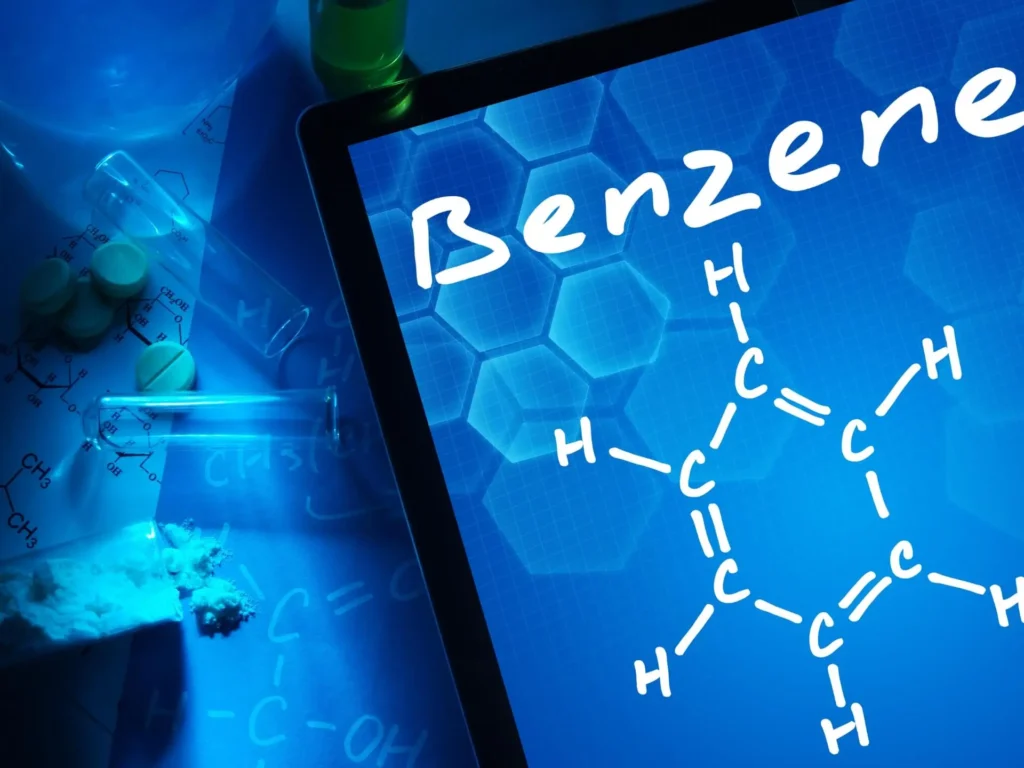
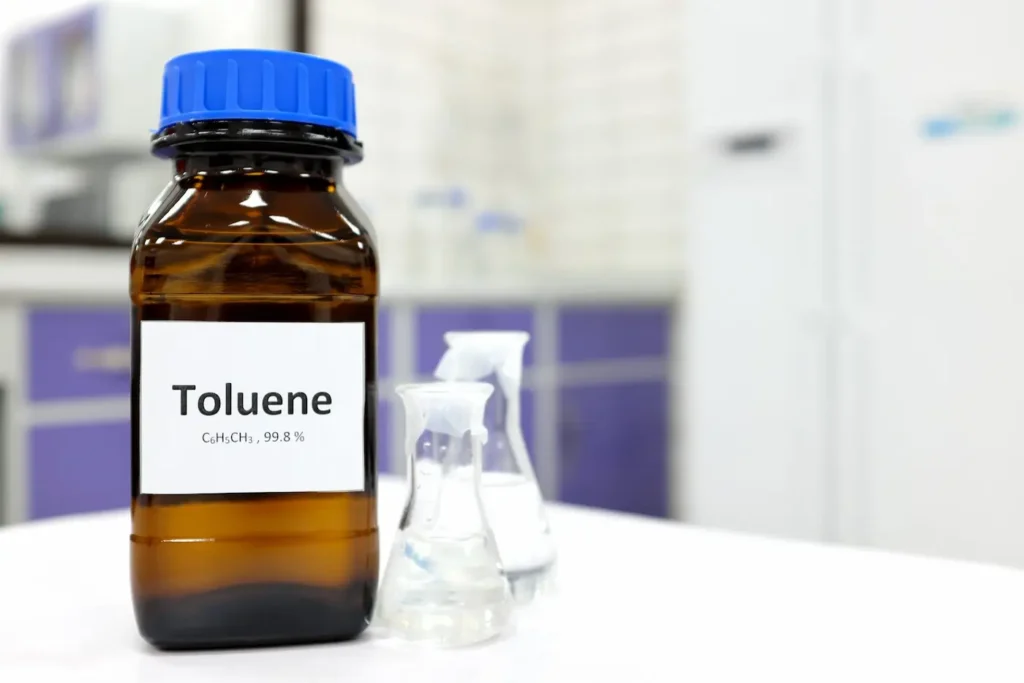
Toluene is a clear, colorless aromatic hydrocarbon used as a solvent and chemical feedstock, with potential health risks from inhalation or prolonged exposure.
Solvent: Found in paints, paint thinners, lacquers, adhesives, glues, nail polish, and cleaning agents.
Chemical feedstock: Used to produce benzene, nylon, plastics, polyurethanes, and other organic chemicals.
Laboratory applications: Solvent for carbon nanomaterials, polystyrene cement, and hemoglobin extraction in biochemistry.
Health Effects Exposure to toluene primarily occurs through inhalation, but skin contact and ingestion are also possible. Short-term exposure can cause headache, dizziness, nausea, eye and throat irritation, and confusion. Chronic or high-level exposure may lead to central nervous system depression, fatigue, sleep disturbances, numbness, reproductive harm, and liver or kidney damage. Deliberate inhalation of toluene-containing products is particularly dangerous and can cause severe neurological harm.